Mt Kenya as Kenya’s Political Anchor
Mt Kenya has remained a defining force in Kenya’s politics for decades. The region commands a large voting population. That strength gives it unmatched influence in national elections. Every serious contender for State House must engage the region. Ignoring it often leads to political defeat.
The region’s power goes beyond numbers. Mt Kenya voters shape narratives. They set momentum. Their choices often determine winners and losers. This influence explains why political battles there attract intense focus long before election season. Mt Kenya politics also reflects wider national debates. Voters weigh economic performance, governance, and leadership style. They respond to both local needs and national direction. Roads, markets, jobs, and public services matter deeply. So does respect and political inclusion.
Over time, the region has shown political independence. It does not vote blindly. Loyalty shifts when expectations remain unmet. Leaders who assume permanent support often face resistance. This reality keeps Mt Kenya politically alive and unpredictable.
Competing Power Centres and Leadership Claims
At the national level, the contest for Mt Kenya influence often narrows to key figures. William Ruto continues to anchor his leadership strategy on the region. He seeks to consolidate past support and defend his political base. His approach relies on organisation, discipline, and trusted allies.
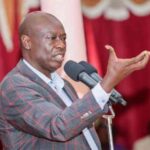
Opposing narratives often emerge from leaders with strong grassroots appeal. Rigathi Gachagua represents this strand of politics. His influence draws from regional identity and perceived political marginalisation. He speaks to voters who feel ignored by the centre of power. Rather than focusing only on personal ambition, he often projects himself as a mobiliser. He frames Mt Kenya as a bargaining bloc. This message resonates with voters who want leverage, not loyalty without returns.
Behind these two poles lies another layer of influence. Uhuru Kenyatta remains a reference point in Mt Kenya politics. His legacy still shapes loyalties and rivalries. Some leaders draw strength from his networks. Others define themselves in opposition to his era. These overlapping power centres create tension. They also keep the region politically active. No single voice speaks for all voters. Competition remains constant.
County Politics and Grassroots Mobilisation
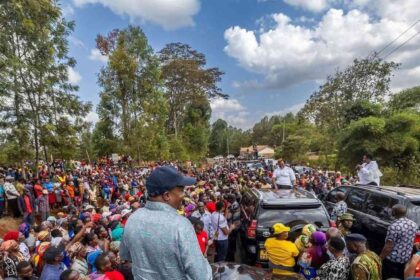
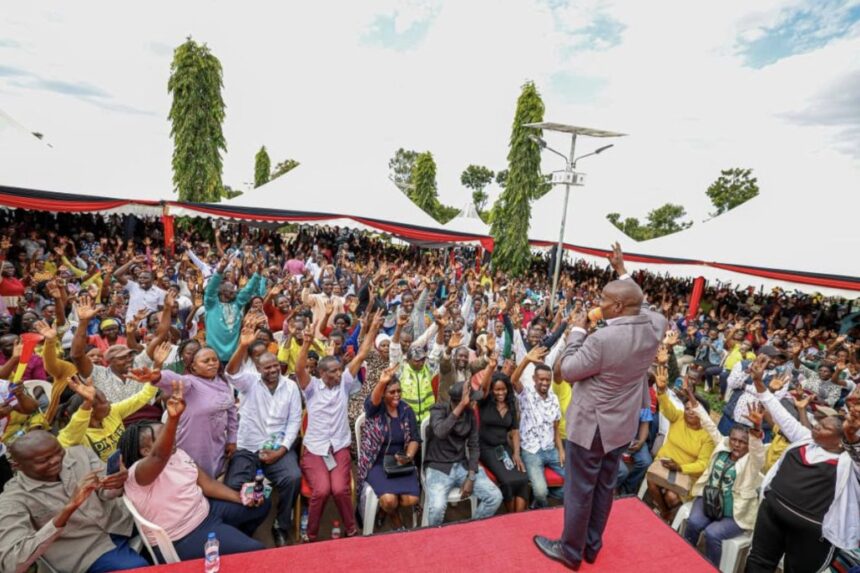
County level leadership plays a critical role in shaping outcomes. Governors, senators, MPs, and party officials act as political anchors. They translate national ambitions into local action. They organise rallies, manage messaging, and secure voter turnout. Murang’a, Kirinyaga, Embu, Meru, Nyeri, Kiambu, Nyandarua, and Laikipia each carry unique dynamics. Local history matters. Personal rivalries matter. Development records influence credibility.
Some leaders openly align with sitting power. Others take a cautious approach. Silence often signals strategy, not weakness. Fence-sitting allows room to negotiate when alliances shift. By-elections and local contests often serve as political barometers. Close results send clear signals. They reveal voter fatigue or renewed confidence. Political camps study these outcomes carefully. They adjust their messaging and ground tactics.
Urban influence has also grown. Nairobi and Nakuru now shape Mt Kenya politics indirectly. Migration and economic ties blur traditional voting lines. Urban voters demand performance and accountability. Ethnic loyalty alone no longer guarantees support. Women leaders and youth voices now influence debates more openly. Statements on leadership inclusion carry weight. Voters increasingly value competence over symbolism. This shift forces political camps to rethink strategy.
The Future of Mt Kenya’s Political Influence
Mt Kenya’s future role in national politics remains central. The region continues to weigh its options carefully. Many voters now question automatic loyalty. They ask what political support delivers in return. The idea of kingmaking has gained ground. Some leaders argue that backing candidates from outside the region could increase bargaining power. This thinking reflects political maturity. It also signals frustration with unmet promises.
Economic pressures intensify these debates. Rising costs of living affect households daily. Voters demand practical solutions. Rhetoric without results faces rejection. Leaders must now connect policy to lived experience. Memory also shapes political behaviour. Mt Kenya voters remember past alliances. They remember promises kept and broken. This memory influences trust. It explains sudden shifts that surprise outsiders but feel logical to locals.
Despite internal divisions, Mt Kenya remains pragmatic. It rewards clarity and organisation. It punishes confusion and arrogance. Political survival in the region depends on humility and consistency.
As Kenya evolves, Mt Kenya will remain a central player. Its influence will extend beyond elections. It will shape coalition talks, governance priorities, and national stability. No leader can afford to dismiss the region. Mt Kenya stands as both prize and power broker. Its choices ripple across the country. In every political season, one truth endures. Mt Kenya does not merely follow power. It tests it.
Follow Our WhatsApp channel for more updates like this