
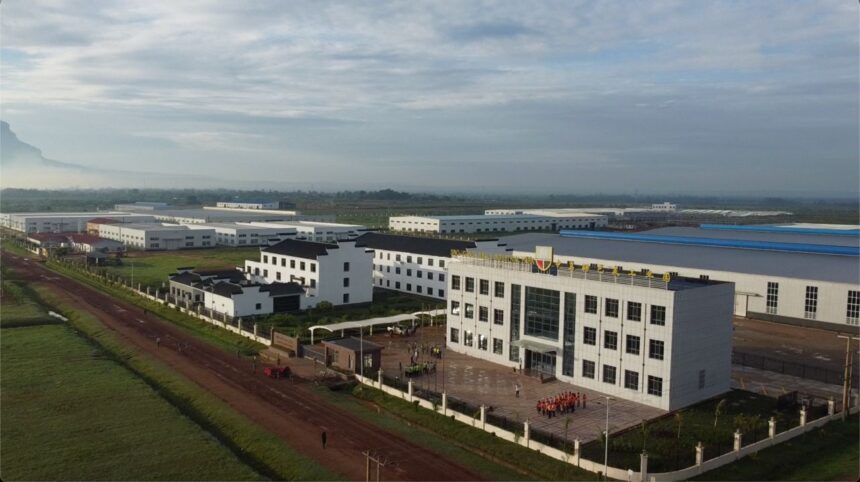
In 2023, Kenya launched an ambitious project, the County Integrated Industrial Parks. The goal was clear. The parks would create jobs for thousands of young people. They would revive rural economies. They would reduce the migration of people from villages to cities. The initiative became a flagship project for the Kenya Kwanza administration. Leaders hoped it would boost industrialisation at the county level.
The plan was simple. Each county would build an industrial park. Funding would come from both the national and county governments. Counties would contribute Sh250 million each. The national government would match that amount. Across 47 counties, the total investment would reach Sh23.5 billion. The parks were meant to be hubs for processing, manufacturing, and aggregation. Local producers would have a place to connect with markets and investors.
The launch was celebrated nationwide. Officials toured counties, attended colourful ceremonies, and spoke to the media. Hopes ran high. Leaders promised jobs and investment. They said the parks would transform local economies. Comparisons were made with Singapore, a country that grew quickly through smart industrialisation.
Challenges and Delays
But three years later, progress is uneven. A report by the Parliamentary Budget Office shows that many parks are incomplete. Some counties have not started construction. Others have barely begun. Even in counties that made progress, no park is fully finished. Many structures remain empty warehouses, waiting for investors or more funding.
Funding problems slowed the project. Many counties did not receive their full allocation from the national government. Disbursements were delayed or reduced. Bureaucracy, such as approvals from the Controller of Budget, added more delays. Counties also struggled to match contributions. Many projects remain only partially funded.
Planning and coordination problems worsened the situation. Most parks were built without consulting the private sector. Investors said the facilities did not meet industry needs. Cotton ginneries, leather processing plants, and other sector-specific facilities were missing. Without proper planning, investors stayed away. In some cases, contractors abandoned sites. Half-built structures now stand idle.
Opportunities
The parks teach important lessons. Large projects need realistic timelines. They need clear planning. Funding must be reliable and coordinated. The private sector must be involved early. Finally, monitoring and accountability are crucial. Without these, projects stall and money is wasted.
Despite the challenges, the project shows a key truth: local industrialisation can transform communities. County-level parks can create jobs and strengthen rural economies. They can reduce the pressure on urban centres. The challenge is turning a good idea into real results.
Kenya’s experience is not unique. Governments everywhere face similar issues with large scale projects. Funding delays, planning gaps, and poor coordination are common. Successful industrialisation however needs vision, careful planning, proper funding, and constant oversight.
The future still holds opportunity. With better planning and stronger collaboration, the parks could still succeed. Additional funding could complete unfinished projects. Proper alignment with investors could make the parks profitable. When managed well, county industrialisation can drive inclusive growth.
In the end, Kenya’s industrial parks tell a story of both warning and hope. Also, they show the cost of poor execution. They also show the potential of bold ideas. The key lesson is simple: pair vision with planning, fund projects properly, and involve the private sector. When this is done, industrialisation at the county level can lift communities, create jobs, and transform lives.
Follow Our WhatsApp channel for more updates like this