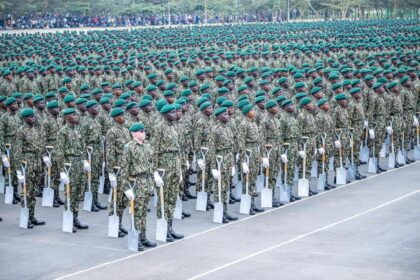
Security forces are critical to Kenya’s safety and stability. Their training is demanding, intense, and designed to prepare recruits for extreme situations. However, recent incidents reveal that exercises meant to build strength and discipline can sometimes put lives at risk if safety protocols are not strictly followed.
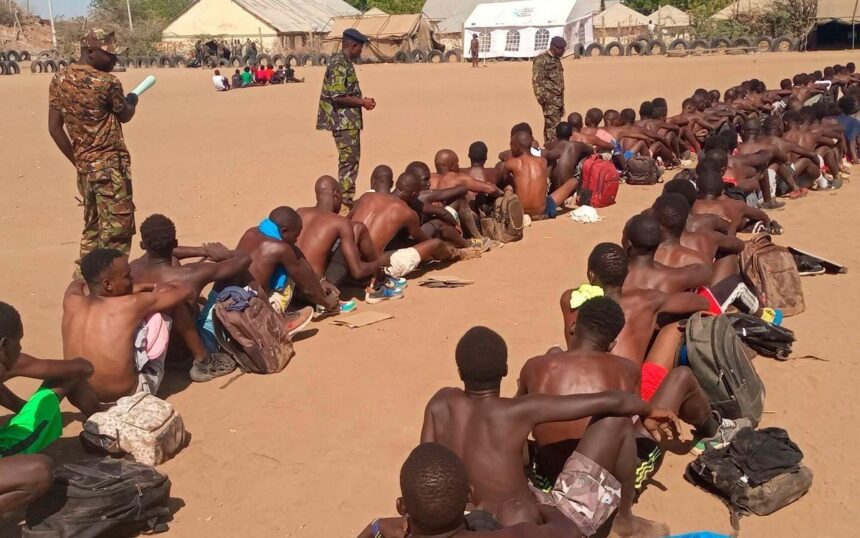
On 29 January 2026, three Kenya Defence Forces (KDF) recruits tragically died at the Defence Forces Recruits Training School in Eldoret. They collapsed during a routine endurance exercise. Immediate medical care was provided, and the recruits were rushed to Eldoret Regional Hospital, where they were pronounced dead. The incident raised national concern and questions about the monitoring and safety measures in place during training.
The Risks of Military Training and Safety Measures
Military training is physically and mentally intense. Recruits endure long marches, obstacle courses, endurance drills, and rigorous conditioning. While these exercises prepare personnel for high-pressure situations, they also carry inherent risks. Dehydration, heat exhaustion, overexertion, and undiagnosed medical conditions are common dangers if proper safety measures are not in place.
In the 2025 KDF recruit cohort, over 1,310 trainees reported to Eldoret for foundational training. They were grouped into platoons of 50–60 recruits per instructor during intensive drills. While this ratio is standard in many military training programs worldwide, it makes monitoring each trainee closely a challenge. Studies show that 10–15% of recruits in intensive programs experience injuries or severe fatigue annually, highlighting the importance of strict safety protocols.
Safety protocols include pre-enrolment medical screenings, continuous monitoring during exercises, hydration schedules, rest breaks, and access to emergency medical care. Recruits should undergo cardiovascular and respiratory checks before high-intensity drills. Trainers must monitor heart rates and recognize early signs of exhaustion. Emergency response teams must be on standby with first aid and rapid evacuation plans.
Despite guidelines, the Eldoret incident indicates gaps in implementation. Authorities have launched an investigation to determine whether protocols were followed and to recommend improvements. Preliminary reports suggest the recruits may have been pushed beyond safe limits during the endurance drill.
Consequences of Neglecting Safety and Lessons Learned
Ignoring safety protocols has severe consequences. At the individual level, it risks life and long-term health. At the institutional level, it undermines public confidence in security forces. Families face emotional trauma and financial strain. Training institutions suffer reputational damage and scrutiny from oversight bodies.
Historical data shows that recruit training fatalities, although rare, are not unprecedented in East Africa. Over the past decade, at least 20 training-related deaths have been recorded across military and paramilitary institutions. Most involved endurance exercises or high-intensity drills where monitoring or medical readiness was insufficient. These figures demonstrate a systemic challenge rather than isolated incidents.
The Eldoret incident also offers lessons for other organizations conducting high-intensity programs, such as police academies, fire services, and sports institutions. Proper planning, medical readiness, and strict adherence to safety protocols save lives. Safety protocols also improve performance. When trainees know that risks are managed, they focus better on objectives, and programs become more effective. Conversely, negligence reduces morale, increases stress, and may lead to higher dropout rates.
Instructor workload is another critical factor. In KDF training, platoons of 50–60 recruits per trainer are common. Monitoring each trainee during intense exercises is challenging, highlighting the importance of adequate staffing, assistant trainers, and technology-assisted monitoring to ensure no trainee is overlooked.
Moving Forward: Reforms and Accountability
Following the Eldoret tragedy, KDF authorities have pledged a full review of safety measures. Recommendations are likely to include stricter medical checks, enhanced monitoring during exercises, faster emergency response mechanisms, and improved instructor-to-trainee ratios.
Globally, militaries are adopting technology-driven safety measures, such as wearable health monitors and GPS tracking, to reduce risks during training. Kenya could integrate similar innovations to improve safety and accountability.
Transparency is equally important. Publishing safety audits and incident reports reassures the public and fosters trust. It also encourages other training institutions to maintain high safety standards. Families, recruits, and communities gain confidence when they know protocols are strictly enforced.
Ultimately, safety protocols are not optional—they are essential for effective training and institutional credibility. Proper planning, monitoring, and emergency preparedness can prevent tragedies. Security forces are the backbone of national stability. Protecting the lives of recruits ensures they can perform their duties effectively and maintain public trust.
Safety in training is a shared responsibility between trainers, institutions, recruits, and policymakers. Ignoring it jeopardizes lives, disrupts programs, and erodes confidence in institutions entrusted with national security. The Eldoret tragedy serves as a stark reminder that rigorous training must never compromise human life