
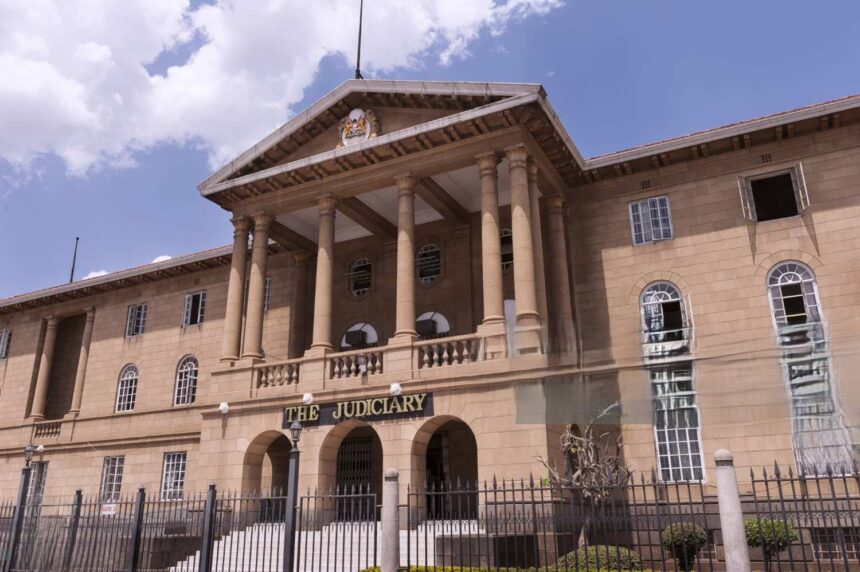
Vacancies at the Supreme Court of Kenya consistently draw intense public interest and debate. Unlike many routine public sector recruitments, appointments to the country’s highest court have broader constitutional, political, and social implications. This scrutiny stems not just from the power the court wields, but from Kenya’s unique legal and democratic evolution since the adoption of the 2010 Constitution.
The Supreme Court’s Central Role in Kenya’s Democracy
The Supreme Court sits at the apex of the judicial hierarchy and plays a pivotal role in safeguarding the rule of law and constitutional governance. Established under Article 163 of the Constitution, the court’s mandate includes hearing appeals from lower courts, interpreting the Constitution, resolving disputes between state organs, and providing advisory opinions upon request by government entities. Most notably, it holds exclusive jurisdiction over presidential election petitions.
Because its rulings are final and binding on all other courts, appointments to the Supreme Court inherently influence how critical legal and constitutional questions are resolved. Each justice’s legal philosophy, judgment style, and interpretive approach can shape national jurisprudence for years or even decades.
High Stakes in Presidential Election Disputes
One of the most visible reasons Supreme Court posts attract public attention is the court’s role in presidential election petitions. For example, following the 2022 general election, the court received and adjudicated nine presidential election petitions the highest number since the 2010 Constitution came into force. All nine were dealt with within the stipulated timelines, reflecting the court’s efficiency and the seriousness with which these cases are handled. These petitions are rarely technical or narrow. They engage questions that can either affirm or overturn the will of millions of voters. In 2022, the presidential election results showed the top two candidates with very close vote shares 50.49 percent for the declared winner and 48.85 percent for the runner up prompting multiple legal challenges.
Past election cycles illustrate why these disputes matter. In 2013, the Supreme Court resolved three presidential petitions following the general election. In 2017, four petitions were filed, and all decisions were delivered within constitutional timelines. Across these cycles, the court has demonstrated its ability to handle high-profile cases while maintaining procedural fairness.
Institutional Pressure, Public Participation, and Trust
Beyond electoral matters, the Supreme Court manages a demanding caseload that shows an active judiciary under pressure. Between 2012 and 2024, the court handled 734 cases, including appeals, election petitions, applications, and advisory opinions. It resolved 690 cases, while 44 remained pending as of August 31, 2024. In the 2023–24 reporting period, the court received 82 new cases and resolved 67 of them. Although this backlog is small compared to lower courts, even minor delays attract scrutiny because Supreme Court cases carry significant national weight.
The recruitment process for Supreme Court judges follows a transparent and inclusive framework. The Judicial Service Commission publicly advertises vacancies, invites stakeholder submissions, and conducts interviews in an open setting. Public participation allows citizens, legal professionals, and civil society to assess candidates’ integrity, competence, and independence. Judicial independence further heightens public interest. Supreme Court judges enjoy security of tenure and serve long terms, meaning their decisions shape legal interpretation beyond a single political cycle. Vacancies therefore raise legitimate public concern about future jurisprudence, accountability, and confidence in democratic institutions. As Kenyans become more aware of their constitutional rights, Supreme Court appointments have evolved into matters of national importance. Repeated election disputes before the court have shown how judicial reasoning can affect political stability, reinforcing why citizens closely monitor who joins the apex bench