
Kenya’s tea industry entered crisis after a fraud scandal damaged trust with Iran. A Kenyan exporter shipped low-grade tea disguised as premium quality, and Iranian authorities detected the deception quickly. Their courts moved fast, convicted those involved, and confiscated assets linked to the scheme.
In response, Iran suspended tea imports from Kenya in 2025. The decision carried heavy consequences because Iran had been one of Kenya’s leading buyers. Annual exports averaged 13 million kilograms and generated more than Sh5.6 billion. When the ban took effect, prices at the Mombasa auction declined sharply, forcing factories to reduce production. The impact spread across 19 tea-growing counties. More than 750,000 smallholder farmers depend directly on tea, while about 6.5 million Kenyans rely on the sector for income. Many families suddenly faced reduced earnings as the market absorbed the shock.
Diplomatic Efforts to Restore Trust
Kenya responded by opening diplomatic channels with Tehran. Officials from both governments formed a joint task force and agreed on a 60-day framework to rebuild confidence. Their focus centers on strict quality control, transparent verification systems, and improved data sharing. Iran has demanded tougher inspection measures and visible accountability. Kenya has signaled readiness to align standards and introduce additional safeguards at export points. The framework now awaits political approval from both sides.
Iran’s ambassador to Kenya, Ali Gholampour, has expressed optimism about restoring trade. He maintains that Iranian consumers value Kenyan tea and remain eager to resume imports once confidence returns. Proposals under discussion include joint audits, enhanced laboratory testing, and digital tracking systems to monitor tea shipments from farm to port.
Geopolitics and Tariff Pressures Complicate Trade
While both nations work toward reconciliation, global politics add new uncertainty. US President Donald Trump recently signed an executive order imposing a 25 percent tariff on countries trading with Iran. The directive increases financial risk for nations maintaining commercial ties with Tehran. Kenya finds itself in a delicate position. It maintains strong relations with the United States while also expanding partnerships with Gulf states such as the United Arab Emirates. The UAE has invested billions in Kenya through loans, petroleum supply agreements, and trade partnerships. These relationships complicate diplomatic calculations.
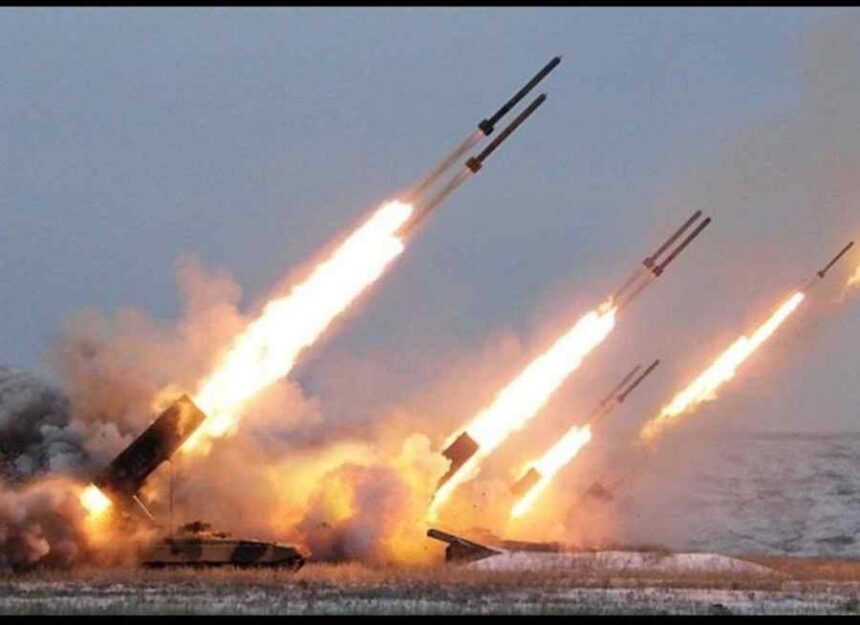
Meanwhile, regional tensions have escalated. Israel has launched airstrikes targeting Iranian positions, prompting retaliation from Iran. Ali Khamenei has vowed resistance, and the broader conflict has unsettled shipping routes and energy markets. Rising insurance costs and transport disruptions now affect exporters worldwide, including Kenyan tea traders.
Economic Fallout and the Road Ahead
The ban has increased supply pressure within Kenya’s tea market. Although Pakistan and Egypt have absorbed some exports, neither market fully replaces Iran’s demand. Auction prices have shown modest recovery in recent weeks, rising by nearly 20 percent, but volatility remains high. Factories continue to operate cautiously, and some have reduced shifts. Rural communities feel the strain as household incomes shrink and loan repayments slow. Despite these setbacks, the tea sector remains a pillar of Kenya’s economy, producing over 400,000 tonnes annually and sustaining millions of livelihoods.
Recovery now depends on three factors: successful diplomatic negotiations, stable geopolitical conditions, and stronger quality controls. If Kenya and Iran finalize their verification framework and political leaders approve it, shipments could resume gradually. At the same time, Kenya must diversify its export markets to reduce dependence on a single buyer. For now, farmers wait anxiously as policymakers balance trade interests with global alliances. Kenyan tea still holds a respected position in international markets, but restoring lost confidence will require sustained effort, transparency, and strategic diplomacy.