Early Life, Family Roots, and Education
Rigathi Gachagua was born on February 28, 1965, in Nyeri County. He grew up in a region known for its strong political identity and historical role in Kenya’s independence struggle. His parents were associated with the Mau Mau movement, a liberation effort that shaped the country’s path to freedom in the 1950s. This background influenced his worldview and later political messaging, especially his emphasis on loyalty, struggle, and grassroots identity. He attended Kabiruini Primary School before proceeding to Kianyaga High School. He later joined the University of Nairobi, one of the country’s leading institutions. There, he studied Political Science and Literature, graduating in 1988. His academic training exposed him to governance systems, political theory, and communication skills. These elements later became visible in his public speeches and political strategies.
Gachagua’s early life reflects a blend of rural upbringing and formal education. This combination helped him connect with ordinary citizens while also navigating complex political environments. His ability to speak both the language of the grassroots and that of elite institutions would later define his political brand.
Entry into Public Service and Career Growth
After completing university, Gachagua joined the civil service. He started as an administrative officer, rising through the ranks to become a District Officer. In this role, he worked in different parts of Kenya, gaining firsthand experience in governance, security, and public administration. These assignments exposed him to the realities of state operations and local leadership challenges. His career took a significant turn when he began working closely with Uhuru Kenyatta. Serving as a personal assistant gave him access to high-level decision-making processes and political networks. This experience played a key role in shaping his understanding of national politics and power dynamics. After leaving government service, Gachagua ventured into private business. He built connections in sectors linked to government operations and procurement. His time in business helped him accumulate resources and strengthen his influence, both of which later supported his entry into elective politics.
However, his career path was not without controversy. Over the years, he faced scrutiny over wealth accumulation and alleged misuse of public resources. These issues followed him into politics and became part of the public debate about his leadership. Even so, his supporters viewed him as a resilient figure who had risen through determination and strategic alliances.
Political Rise and Time as Deputy President
Gachagua officially entered elective politics in 2017. He contested and won the Mathira parliamentary seat, marking the beginning of his national political journey. In Parliament, he quickly established himself as a vocal and loyal political actor. He aligned closely with William Ruto, who was then positioning himself for the presidency. In the lead-up to the 2022 General Election, Ruto selected Gachagua as his running mate. This decision was strategic. Gachagua had strong influence in the Mount Kenya region, a key voting bloc in Kenyan politics. His grassroots mobilization skills helped consolidate support in the area.
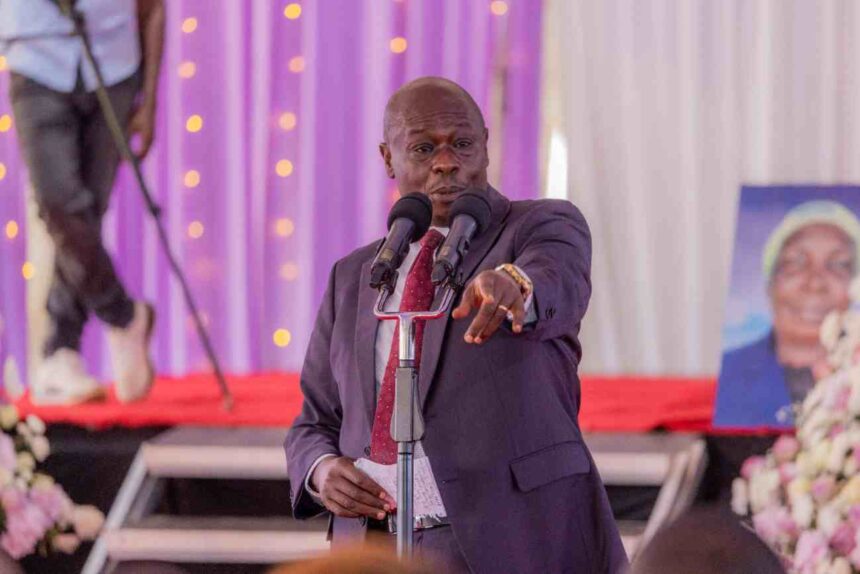
Their ticket won the election, and Gachagua became Kenya’s Deputy President. His tenure was marked by active political engagement and frequent public appearances. He often spoke on economic empowerment, regional unity, and political loyalty. His communication style was direct and sometimes confrontational, which made him both popular and controversial. During his time in office, Gachagua played a central role in political mobilization. He positioned himself as a defender of certain regional interests, which strengthened his support base but also drew criticism from opponents. Critics argued that his approach risked deepening ethnic and political divisions in the country. His period as Deputy President also came at a time when Kenya was dealing with economic pressures, youth unemployment, and rising public expectations. Like many leaders in similar positions, he had to balance political messaging with governance responsibilities. His performance in office remained a subject of intense public debate.
Impeachment, Political Fallout, and Future Path
In October 2024, Gachagua’s political journey took a dramatic turn. He faced impeachment proceedings initiated by Parliament. The charges included allegations of constitutional violations, abuse of office, and conduct deemed divisive. The process attracted national attention, with Kenyans closely following the proceedings. The Senate upheld several of the charges, leading to his removal from office. This marked a historic moment, as he became the first Deputy President in Kenya to be impeached and removed under the 2010 Constitution. The event signaled the growing strength of institutional checks and accountability mechanisms in the country’s governance system.
His impeachment had wide political implications. It reshaped alliances, triggered debates about leadership standards, and highlighted tensions within the political establishment. Supporters argued that the process was politically motivated, while critics viewed it as necessary for upholding accountability. After leaving office, Gachagua remained active in politics. He began repositioning himself and later launched the Democracy for the Citizens Party. This move signaled his intention to maintain political relevance and possibly contest for higher office in the future. His continued engagement shows that, despite setbacks, he remains a significant figure in Kenya’s political landscape.
Gachagua’s story reflects the dynamic and often unpredictable nature of politics in Kenya. His rise from a civil servant to Deputy President demonstrates how networks, strategy, and timing can shape political success. The fall, however, highlights the risks that come with power, especially in a system that is increasingly emphasizing accountability. His journey also fits into a broader historical pattern. Kenya’s political landscape has often seen leaders rise rapidly and face equally swift challenges. From independence-era politics to modern governance under the 2010 Constitution, the country continues to evolve in how it manages leadership, power, and public trust. In the end, Rigathi Gachagua’s legacy will likely be defined by both his achievements and controversies. He remains a figure who shaped political conversations, influenced voter dynamics, and became part of Kenya’s constitutional history. Whether he stages a political comeback or not, his impact on the country’s recent political story is already firmly established.