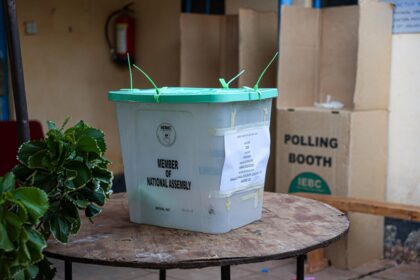

Kenya’s electoral landscape is once again under intense public and political scrutiny as opposition leaders question the preparedness of the Independent Electoral and Boundaries Commission (IEBC). At the centre of the debate is the procurement of Kenya Integrated Elections Management System (KIEMS) kits, a key technology used in voter identification and results transmission. The issue has sparked wider concerns about transparency, cost, legal reforms, and institutional credibility as the country prepares for the 2027 General Election.
The dispute reflects a pattern seen in previous election cycles, where procurement decisions and election technology have often shaped public trust. Since the introduction of electronic voter identification in 2013, Kenya has faced recurring debates about the reliability and management of election systems. These concerns have persisted through the 2017 and 2022 elections, making the current procurement process a critical test for the IEBC.
Procurement Controversy and Opposition Concerns
Opposition leaders have strongly criticised the IEBC’s approach to procuring new KIEMS kits. Their concerns focus on transparency, accountability, and adherence to procurement laws. They have questioned the commission’s association with Smartmatic, a firm linked to previous election systems, arguing that past controversies surrounding election technology must be addressed before engaging similar suppliers again. The opposition is demanding full disclosure of procurement documents. These include supplier selection criteria, technical evaluation reports, and contract agreements. They also want access to internal procurement records to verify whether due process was followed. According to them, the lack of openness raises suspicion and risks undermining the credibility of future elections.
Cost has emerged as another major issue. The IEBC has proposed spending about Sh6.1 billion to acquire 45,000 KIEMS kits. Critics argue that such a large expenditure requires strong justification, especially in a constrained fiscal environment. Reports suggesting that upgrading an existing kit could cost more than purchasing a new one have further fuelled debate about efficiency and value for money. These concerns highlight common procurement risks, including possible overpricing, weak oversight, and inadequate market analysis. In Kenya’s context, such risks carry significant political weight because election technology directly affects the integrity of the democratic process.
High-Level Retreat to Define Election Framework
Amid the growing controversy, the IEBC is set to hold a high-level retreat with the National Assembly’s Justice and Legal Affairs Committee in Mombasa from March 31 to April 3. The meeting will be led by IEBC chairperson Erastus Ethekon and will focus on setting timelines and rules for the 2027 elections. The retreat is expected to address several critical areas. These include budget planning, legislative reforms, and the procurement of election technology. It will also discuss the recall clause for Members of Parliament, an issue that has remained unresolved due to gaps in the legal framework. The elections are expected to be highly competitive, with William Ruto likely to seek a second and final term. This adds urgency to the need for clear rules and credible systems. Any perceived weakness in the electoral process could heighten political tensions and reduce public confidence.
The IEBC has prepared a series of legislative proposals for consideration during the retreat. These include amendments to the Elections Campaign Financing Act aimed at restricting campaign donations and clarifying permissible sources of funding. The commission also wants to prohibit contributions from foreign governments, a move intended to strengthen the integrity of the electoral process. In addition, the IEBC is pushing for clearer definitions of key electoral processes such as nominations, candidate registration, and the use of forensic images in the verification of election technology. These proposals are expected to shape the legal framework governing the 2027 elections.
Budget Disputes, Oversight, and Legal Pressures
The Justice and Legal Affairs Committee has taken a firm stance on the proposed procurement of KIEMS kits. It has directed the IEBC to provide an independent audit report confirming that existing kits are obsolete before any new funds are approved. This demand reflects broader concerns about accountability and prudent use of public resources. The committee, chaired by George Murugara, has emphasised the need for evidence-based decision-making. Lawmakers argue that approving a multi-billion shilling procurement without proper verification would expose taxpayers to unnecessary costs.
Further complicating the issue is the cost comparison between upgrading and replacing the kits. Reports indicate that upgrading a single kit could cost more than acquiring a new one. This has raised questions about procurement planning and whether the IEBC has conducted adequate cost-benefit analysis. Meanwhile, Moses Wetang’ula has directed that all election-related laws be finalised before June. This timeline is intended to ensure that legal frameworks are in place well ahead of the elections, reducing the risk of last-minute disputes.
The IEBC is also grappling with significant financial obligations. The commission has disclosed pending bills exceeding Sh4 billion, largely arising from legal cases dating back to 2013. These include legal fees owed to various law firms, which could affect the commission’s operations if not settled promptly. IEBC officials have warned that failure to clear these debts could disrupt preparations for the 2027 elections. They argue that unresolved financial obligations may limit the commission’s ability to implement key activities, including procurement and voter education.
Electoral Integrity and the Road to 2027
The ongoing dispute over procurement and reforms underscores the broader challenge of ensuring credible elections in Kenya. Election technology, particularly KIEMS kits, plays a central role in voter identification and results transmission. Any weaknesses in procurement or implementation could have far-reaching consequences. Opposition leaders have warned of possible protests if their concerns are not addressed. They argue that transparency in procurement is essential to restoring public trust in the IEBC. Their position reflects a wider sentiment among sections of the public who remain cautious about the reliability of election systems.
At the same time, the IEBC maintains that it is committed to conducting free and fair elections. The commission argues that its proposals for legal reforms and procurement are aimed at strengthening the electoral process. However, it faces the challenge of convincing stakeholders that its actions are both transparent and accountable. The debate also highlights the importance of early planning in election management. Decisions made during the pre-solicitation and procurement stages can have long-term implications for the success of an election. In Kenya, where electoral disputes have historically led to political tension, the stakes are particularly high.
As the country moves closer to the 2027 General Election, the outcome of this debate will play a key role in shaping public confidence. A transparent and well-managed procurement process could reinforce trust in the electoral system. On the other hand, unresolved concerns may deepen political divisions and raise questions about the credibility of the polls. Ultimately, the current situation represents a defining moment for Kenya’s democratic institutions. The ability of the IEBC, Parliament, and political actors to address these challenges will determine whether the country can deliver an election that is widely accepted as free, fair, and credible.