
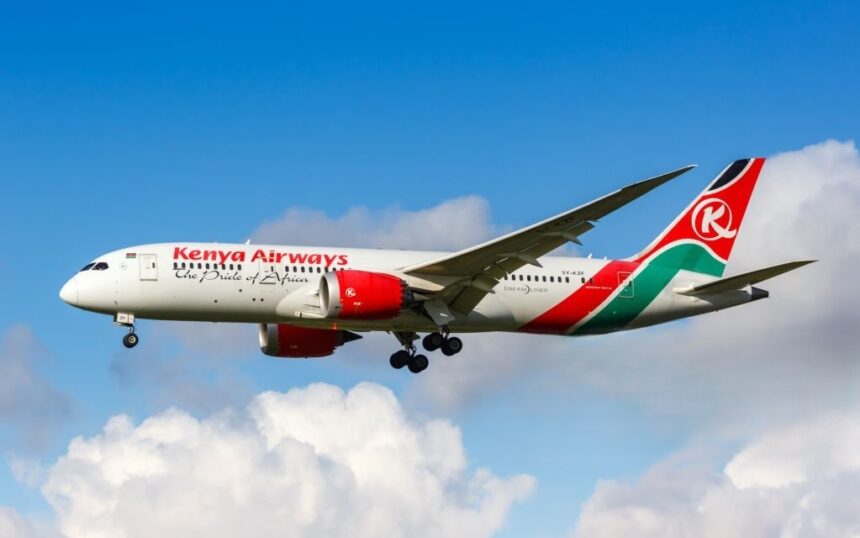
Kenya Airways reflects the broader realities of the global aviation industry. Airlines operate in a complex environment shaped by demand cycles, high costs, and external shocks. Financial performance often shifts from profit to loss within short periods. These changes highlight how sensitive the sector is to operational disruptions and global trends. Air travel demand has shown steady recovery in recent years. However, airlines still face structural challenges. Fleet availability remains one of the most critical factors. Aircraft generate revenue only when they are in service. Grounded planes reduce capacity and limit income. This challenge becomes more severe when wide-body aircraft are involved.
Wide-body jets, such as the Boeing 787-8 Dreamliner, play a key role in long-haul travel. These aircraft serve major international routes and carry more passengers. They also contribute significantly to airline revenues. When even a few of these planes are unavailable, the impact spreads across the entire network.
Fleet Constraints and Operational Pressure
Aircraft maintenance is essential for safety and efficiency. However, delays in maintenance can disrupt operations. In recent years, global supply chain constraints have slowed access to spare parts. Engine shortages and delayed deliveries have extended repair timelines. These issues affect airlines across different regions.
When aircraft remain grounded for long periods, airlines lose valuable seat capacity. This reduces the number of available flights. It also limits flexibility in scheduling. Airlines may cancel routes or reduce flight frequency. These decisions help control costs but reduce revenue potential. Operational disruptions also affect customer experience. Flight delays and cancellations reduce reliability. Passengers may choose alternative carriers. This shift affects market share and long-term growth. Maintaining operational stability becomes a priority for airline management.
Cost management is another major challenge. Airlines operate with high fixed costs. Fuel, staff salaries, and maintenance expenses remain significant. Even when revenues decline, many of these costs remain unchanged. This creates pressure on profit margins.
Airlines often respond by restructuring operations. They review routes and focus on profitable destinations. They also invest in efficiency improvements. Digital systems and better planning tools help optimize operations. These steps support long-term sustainability.
Revenue Diversification and Recovery Strategies
Revenue diversification has become essential in modern aviation. Airlines no longer rely only on passenger travel. Cargo operations now play a critical role. Global trade and e-commerce have increased demand for air freight. This trend offers new income opportunities. Many airlines invest in cargo aircraft like the Boeing 747. These planes carry large volumes of goods across continents. Expanding cargo capacity helps balance revenue streams. It also provides stability during periods of weak passenger demand. Partnerships also support recovery efforts. Airlines collaborate with other carriers through capacity-sharing agreements. These partnerships increase network reach and improve efficiency. They allow airlines to serve more destinations without adding new aircraft.
Financial restructuring is often necessary for long-term stability. Airlines may seek support from governments or private investors. Capital injections help strengthen balance sheets. They also support operational improvements and fleet upgrades. Negative equity remains a common issue in the aviation sector. High debt levels and past losses weigh on financial health. However, strategic planning can reverse this trend. Strong governance and clear recovery plans improve investor confidence.
Operational reliability is central to recovery. Airlines work closely with manufacturers and maintenance providers. Timely access to spare parts reduces downtime. Improved coordination helps restore fleet availability. This leads to better service delivery and higher customer satisfaction. The aviation industry continues to evolve. External factors such as fuel prices and economic conditions still affect performance. Global events can disrupt travel demand and supply chains. Airlines must remain adaptable and responsive. In the long term, success depends on balanced strategies. Efficient operations, diversified revenue, and strong partnerships drive growth. Airlines that manage these areas effectively can withstand industry shocks. They can also return to consistent profitability. The experience of Kenya Airways shows that recovery is possible but requires careful planning. Stable operations and smart investments remain key. With the right approach, airlines can navigate uncertainty and build a more resilient future.